Buy hurtiglan.eu ?
We are moving the project
hurtiglan.eu .
Are you interested in purchasing the domain
hurtiglan.eu ?
domain@kv-gmbh.de · 0541-91531010
Buy hurtiglan.eu ?
What destroys methane?
Methane can be destroyed through a process called oxidation, where it reacts with oxygen in the atmosphere to form carbon dioxide and water. This process can occur naturally in the atmosphere, as well as through the action of certain bacteria in the soil and water. Additionally, methane can be destroyed through chemical reactions with other compounds, such as chlorine or hydroxyl radicals. These processes help to reduce the concentration of methane in the atmosphere, which is important for mitigating its impact on climate change. **
Does cheese contain methane?
Yes, cheese does contain methane. Methane is a natural byproduct of the fermentation process that occurs during the production of cheese. It is produced by the bacteria that are used to ferment the milk and create the cheese. However, the amount of methane in cheese is relatively small compared to other sources of methane emissions in the environment. **


Similar search terms for Methane
Top-Angebote
Products related to Methane:
-
All Categories Goods Firewood Drill Bit, High Speed Twist Wood Splitter Screw, Cone Driver For Efficient Firewood Splitting cAre you tired of spending hours splitting firewood by hand The High Speed Twist Firewood Drill Bit is the gamechanging tool you need for effortless firewood splitting. Designed to save time and energy, this wood splitter screw makes cutting firewood...45,97 $*Shipping: 0,00 $Secure redirect to the provider
-
Uplifted Finds Efficient Pet Hair Remover Brush Efficient Pet Hair Remover BrushMaintain a furfree home with this Pet Hair Remover Brush, an essential tool for dogs and cats owners. Engineered for maximum efficiency, this fur remover works across multiple surfaces including furniture, cars, carpets, and beds to lift deeply...37,97 $*Shipping: 0,00 $Secure redirect to the provider




-
What is liquid methane?
Liquid methane is a colorless, odorless, and non-toxic liquid that is derived from natural gas. It has a boiling point of approximately -161 degrees Celsius and is commonly used as a fuel source for vehicles and industrial processes. It is also being explored as a potential energy source for future space missions due to its abundance on other planets, such as Mars and Titan. **
-
How is methane converted?
Methane can be converted through a process called steam reforming, which involves reacting methane with steam at high temperatures and pressures to produce hydrogen and carbon monoxide. Another method is methane combustion, where methane is burned in the presence of oxygen to produce carbon dioxide and water. Additionally, methane can be converted into methanol through a process called catalytic oxidation. These processes are important for converting methane into more useful and less environmentally impactful products. **
-
What are methane bacteria?
Methane bacteria, also known as methanogens, are a type of microorganism that produce methane as a byproduct of their metabolism. They are found in environments with low oxygen levels, such as wetlands, marshes, and the digestive tracts of animals. Methane bacteria play a crucial role in the global carbon cycle by converting organic matter into methane gas. This process is important for the decomposition of organic material and the production of renewable energy sources such as biogas. **
-
How is methane formed?
Methane is formed through a process called methanogenesis, which occurs in anaerobic (oxygen-free) environments such as wetlands, marshes, and the digestive systems of animals. Methanogenic microorganisms, such as archaea, break down organic matter in these environments, producing methane as a byproduct. This process involves the decomposition of organic materials, such as dead plants and animal waste, by bacteria in the absence of oxygen. As a result, methane is released into the atmosphere as a natural part of the carbon cycle. Additionally, methane can also be formed through human activities such as the production and transportation of natural gas, as well as through the decomposition of organic waste in landfills. **

Why are methane molecules nonpolar?
Methane molecules are nonpolar because the molecule has a symmetrical tetrahedral shape with carbon at the center and four hydrogen atoms at the corners. This symmetrical arrangement results in an equal distribution of charge, with the carbon-hydrogen bonds being nonpolar covalent bonds. As a result, there are no significant differences in electronegativity between carbon and hydrogen, leading to a nonpolar molecule overall. **
Will methane gas kill us?
Methane gas itself is not typically lethal in small quantities, as it is non-toxic. However, in high concentrations, methane can displace oxygen in the air, leading to a lack of oxygen which can be dangerous. Additionally, methane is highly flammable and can pose a risk of explosion in enclosed spaces. Therefore, while methane gas may not directly kill us, it can still be a significant hazard if not properly managed. **
Top-Angebote
Products related to Methane:
-
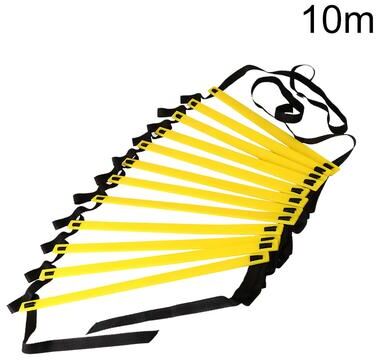
On Spot Shop Training Ladders With Nylon Straps, Agility Speed Ladder Stairs, Agile Staircase For Fitness, Soccer, Football & Sports 6m 12rungEnhance Your Training with the Agility Speed Ladder Take your workouts to the next level with our Agility Speed Ladder Stairs Nylon Straps Training Ladders Agile Staircase for Fitness Soccer Football Speed Ladder Equipment. Built for athletes,...24,97 $*Shipping: 0,00 $Secure redirect to the provider
-
Friendly Fresh Finds Portable Air Pump For Air Beds, Mattresses, And Camping Gear Compact, Efficient, And Quick Inflation Tool Portable Air Pump For Air Beds, Mattresses, And Camping Gear Compact, Efficient, And Quick Inflation ToolInflating air beds, mats, and other camping gear just got easier! This portable air pump is the ultimate solution for fast and efficient inflation, making it ideal for home, outdoor adventures, and travel. Its compact design ensures its always at...99,97 $*Shipping: 0,00 $Secure redirect to the provider
-
All Categories Goods Firewood Drill Bit, High Speed Twist Wood Splitter Screw, Cone Driver For Efficient Firewood Splitting cAre you tired of spending hours splitting firewood by hand The High Speed Twist Firewood Drill Bit is the gamechanging tool you need for effortless firewood splitting. Designed to save time and energy, this wood splitter screw makes cutting firewood...45,97 $*Shipping: 0,00 $Secure redirect to the provider
-
Uplifted Finds Efficient Pet Hair Remover Brush Efficient Pet Hair Remover BrushMaintain a furfree home with this Pet Hair Remover Brush, an essential tool for dogs and cats owners. Engineered for maximum efficiency, this fur remover works across multiple surfaces including furniture, cars, carpets, and beds to lift deeply...37,97 $*Shipping: 0,00 $Secure redirect to the provider
-
What destroys methane?
Methane can be destroyed through a process called oxidation, where it reacts with oxygen in the atmosphere to form carbon dioxide and water. This process can occur naturally in the atmosphere, as well as through the action of certain bacteria in the soil and water. Additionally, methane can be destroyed through chemical reactions with other compounds, such as chlorine or hydroxyl radicals. These processes help to reduce the concentration of methane in the atmosphere, which is important for mitigating its impact on climate change. **
-
Does cheese contain methane?
Yes, cheese does contain methane. Methane is a natural byproduct of the fermentation process that occurs during the production of cheese. It is produced by the bacteria that are used to ferment the milk and create the cheese. However, the amount of methane in cheese is relatively small compared to other sources of methane emissions in the environment. **
-
What is liquid methane?
Liquid methane is a colorless, odorless, and non-toxic liquid that is derived from natural gas. It has a boiling point of approximately -161 degrees Celsius and is commonly used as a fuel source for vehicles and industrial processes. It is also being explored as a potential energy source for future space missions due to its abundance on other planets, such as Mars and Titan. **
-
How is methane converted?
Methane can be converted through a process called steam reforming, which involves reacting methane with steam at high temperatures and pressures to produce hydrogen and carbon monoxide. Another method is methane combustion, where methane is burned in the presence of oxygen to produce carbon dioxide and water. Additionally, methane can be converted into methanol through a process called catalytic oxidation. These processes are important for converting methane into more useful and less environmentally impactful products. **
Similar search terms for Methane
-
On Spot Shop Training Ladders With Nylon Straps, Agility Speed Ladder Stairs, Agile Staircase For Fitness, Soccer, Football & Sports 10m 20rungEnhance Your Training with the Agility Speed Ladder Take your workouts to the next level with our Agility Speed Ladder Stairs Nylon Straps Training Ladders Agile Staircase for Fitness Soccer Football Speed Ladder Equipment. Built for athletes,...26,97 $*Shipping: 0,00 $Secure redirect to the provider
-
On Spot Shop Training Ladders With Nylon Straps, Agility Speed Ladder Stairs, Agile Staircase For Fitness, Soccer, Football & Sports 8m 16rungEnhance Your Training with the Agility Speed Ladder Take your workouts to the next level with our Agility Speed Ladder Stairs Nylon Straps Training Ladders Agile Staircase for Fitness Soccer Football Speed Ladder Equipment. Built for athletes,...25,97 $*Shipping: 0,00 $Secure redirect to the provider
-
What are methane bacteria?
Methane bacteria, also known as methanogens, are a type of microorganism that produce methane as a byproduct of their metabolism. They are found in environments with low oxygen levels, such as wetlands, marshes, and the digestive tracts of animals. Methane bacteria play a crucial role in the global carbon cycle by converting organic matter into methane gas. This process is important for the decomposition of organic material and the production of renewable energy sources such as biogas. **
-
How is methane formed?
Methane is formed through a process called methanogenesis, which occurs in anaerobic (oxygen-free) environments such as wetlands, marshes, and the digestive systems of animals. Methanogenic microorganisms, such as archaea, break down organic matter in these environments, producing methane as a byproduct. This process involves the decomposition of organic materials, such as dead plants and animal waste, by bacteria in the absence of oxygen. As a result, methane is released into the atmosphere as a natural part of the carbon cycle. Additionally, methane can also be formed through human activities such as the production and transportation of natural gas, as well as through the decomposition of organic waste in landfills. **
-
Why are methane molecules nonpolar?
Methane molecules are nonpolar because the molecule has a symmetrical tetrahedral shape with carbon at the center and four hydrogen atoms at the corners. This symmetrical arrangement results in an equal distribution of charge, with the carbon-hydrogen bonds being nonpolar covalent bonds. As a result, there are no significant differences in electronegativity between carbon and hydrogen, leading to a nonpolar molecule overall. **
-
Will methane gas kill us?
Methane gas itself is not typically lethal in small quantities, as it is non-toxic. However, in high concentrations, methane can displace oxygen in the air, leading to a lack of oxygen which can be dangerous. Additionally, methane is highly flammable and can pose a risk of explosion in enclosed spaces. Therefore, while methane gas may not directly kill us, it can still be a significant hazard if not properly managed. **
* All prices are inclusive of VAT and, if applicable, plus shipping costs. The offer information is based on the details provided by the respective shop and is updated through automated processes. Real-time updates do not occur, so deviations can occur in individual cases. ** Note: Parts of this content were created by AI.