Buy hurtiglan.eu ?
We are moving the project
hurtiglan.eu .
Are you interested in purchasing the domain
hurtiglan.eu ?
domain@kv-gmbh.de · 0541-91531010
Buy hurtiglan.eu ?
At what speed is a car most fuel-efficient on the highway?
A car is most fuel-efficient on the highway when it is traveling at a moderate and consistent speed, typically around 50-60 miles per hour. This is because the engine is operating at its optimal efficiency at this speed, resulting in better fuel economy. Driving at higher speeds can decrease fuel efficiency due to increased air resistance, while driving at lower speeds may cause the engine to work harder and use more fuel. Therefore, maintaining a steady speed within the optimal range is key to maximizing fuel efficiency on the highway. **
Speed on a highway.
Speed on a highway refers to the rate at which vehicles are traveling on the road. It is typically measured in miles per hour (mph) or kilometers per hour (km/h). Speed limits are set on highways to ensure the safety of drivers and passengers, as well as to regulate traffic flow. Exceeding the speed limit can result in fines, penalties, and an increased risk of accidents. Therefore, it is important for drivers to adhere to the posted speed limits and adjust their speed according to road and weather conditions. **


Similar search terms for Highway
Top-Angebote
Products related to Highway:
-
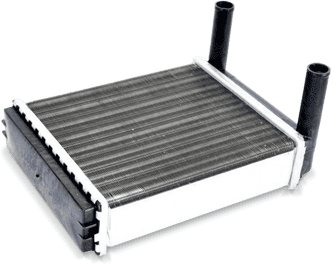
HIGHWAY AUTOMOTIVE 50033016 Heater matrixCore Length [mm]: 162; Core Width [mm]: 269; Core Depth [mm]: 26; Cooling Fin Material: Aluminium; Water Tank Material (radiator): Aluminium; Radiator type: Brazed cooling fins; Inlet Diameter [mm]: 12; Outlet Diameter [mm]: 12; Supplementary Article / Supplementary Info: with pipe104,99 £*Shipping: 8,45 £Secure redirect to the provider
-
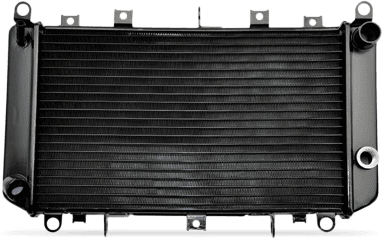
HIGHWAY AUTOMOTIVE 10153001 Engine radiatorCore Length [mm]: 400; Core Width [mm]: 408; Core Depth [mm]: 56; Cooling Fin Material: Aluminium; Water Tank Material (radiator): Aluminium; Radiator type: Brazed cooling fins; Inlet Diameter [mm]: 32; Outlet Diameter [mm]: 32; Supplementary Article / Supplementary Info Info 2: with frame228,99 £*Shipping: 1,99 £Secure redirect to the provider


-
Which route is more fuel-efficient: highway or country road?
The fuel efficiency of a route depends on various factors such as speed, traffic, and terrain. Generally, highway driving at a consistent speed can be more fuel-efficient than driving on country roads with frequent stops and starts. However, if the country road has less traffic and lower speed limits, it may also be fuel-efficient. It's important to consider the specific conditions of each route to determine which one is more fuel-efficient. **
-
Is high speed on the highway dangerous?
High speed on the highway can be dangerous if not done responsibly. Excessive speed reduces the driver's ability to react to unexpected situations, increases stopping distances, and can lead to more severe accidents. However, driving at a moderate speed within the legal limits and according to road conditions can be safe. It is important for drivers to be mindful of their speed and adjust it according to the circumstances to ensure safety on the highway. **
-
Is high speed dangerous on the highway?
High speed can be dangerous on the highway because it reduces the driver's reaction time and increases the likelihood of accidents. High speeds also make it harder to control the vehicle, especially in adverse weather conditions or unexpected situations. Additionally, the impact of a collision at high speeds can be more severe, leading to more serious injuries or fatalities. It is important to always adhere to the speed limits and drive at a safe and appropriate speed for the conditions. **
-
Are there speed cameras on the highway?
Yes, there are speed cameras on some highways. Speed cameras are used to monitor and enforce speed limits, and they are often placed in areas where speeding is a safety concern. These cameras can capture images of vehicles that are traveling above the speed limit, and the drivers may receive a ticket in the mail as a result. It's important for drivers to be aware of speed camera locations and to always obey the posted speed limits. **


What is more fuel-efficient, the highway or the country road?
Generally, driving on a country road is more fuel-efficient than driving on the highway. This is because on a country road, there are typically fewer stops and starts, and the speed is usually lower, which can lead to better fuel economy. On the other hand, driving on the highway at higher speeds can increase wind resistance and decrease fuel efficiency. However, individual driving habits and the specific conditions of the road can also impact fuel efficiency. **
What is the minimum speed on the highway?
The minimum speed on the highway is typically around 40-45 miles per hour. This speed is set to ensure the safety of all drivers on the road and to maintain a smooth flow of traffic. It is important for drivers to adhere to this minimum speed limit to prevent accidents and congestion on the highway. **
Top-Angebote
Products related to Highway:
-
HIGHWAY AUTOMOTIVE 50033016 Heater matrixCore Length [mm]: 162; Core Width [mm]: 269; Core Depth [mm]: 26; Cooling Fin Material: Aluminium; Water Tank Material (radiator): Aluminium; Radiator type: Brazed cooling fins; Inlet Diameter [mm]: 12; Outlet Diameter [mm]: 12; Supplementary Article / Supplementary Info: with pipe104,99 £*Shipping: 8,45 £Secure redirect to the provider
-
At what speed is a car most fuel-efficient on the highway?
A car is most fuel-efficient on the highway when it is traveling at a moderate and consistent speed, typically around 50-60 miles per hour. This is because the engine is operating at its optimal efficiency at this speed, resulting in better fuel economy. Driving at higher speeds can decrease fuel efficiency due to increased air resistance, while driving at lower speeds may cause the engine to work harder and use more fuel. Therefore, maintaining a steady speed within the optimal range is key to maximizing fuel efficiency on the highway. **
-
Speed on a highway.
Speed on a highway refers to the rate at which vehicles are traveling on the road. It is typically measured in miles per hour (mph) or kilometers per hour (km/h). Speed limits are set on highways to ensure the safety of drivers and passengers, as well as to regulate traffic flow. Exceeding the speed limit can result in fines, penalties, and an increased risk of accidents. Therefore, it is important for drivers to adhere to the posted speed limits and adjust their speed according to road and weather conditions. **
-
Which route is more fuel-efficient: highway or country road?
The fuel efficiency of a route depends on various factors such as speed, traffic, and terrain. Generally, highway driving at a consistent speed can be more fuel-efficient than driving on country roads with frequent stops and starts. However, if the country road has less traffic and lower speed limits, it may also be fuel-efficient. It's important to consider the specific conditions of each route to determine which one is more fuel-efficient. **
-
Is high speed on the highway dangerous?
High speed on the highway can be dangerous if not done responsibly. Excessive speed reduces the driver's ability to react to unexpected situations, increases stopping distances, and can lead to more severe accidents. However, driving at a moderate speed within the legal limits and according to road conditions can be safe. It is important for drivers to be mindful of their speed and adjust it according to the circumstances to ensure safety on the highway. **
Similar search terms for Highway
-
HIGHWAY AUTOMOTIVE 10153001 Engine radiatorCore Length [mm]: 400; Core Width [mm]: 408; Core Depth [mm]: 56; Cooling Fin Material: Aluminium; Water Tank Material (radiator): Aluminium; Radiator type: Brazed cooling fins; Inlet Diameter [mm]: 32; Outlet Diameter [mm]: 32; Supplementary Article / Supplementary Info Info 2: with frame228,99 £*Shipping: 1,99 £Secure redirect to the provider
-
Is high speed dangerous on the highway?
High speed can be dangerous on the highway because it reduces the driver's reaction time and increases the likelihood of accidents. High speeds also make it harder to control the vehicle, especially in adverse weather conditions or unexpected situations. Additionally, the impact of a collision at high speeds can be more severe, leading to more serious injuries or fatalities. It is important to always adhere to the speed limits and drive at a safe and appropriate speed for the conditions. **
-
Are there speed cameras on the highway?
Yes, there are speed cameras on some highways. Speed cameras are used to monitor and enforce speed limits, and they are often placed in areas where speeding is a safety concern. These cameras can capture images of vehicles that are traveling above the speed limit, and the drivers may receive a ticket in the mail as a result. It's important for drivers to be aware of speed camera locations and to always obey the posted speed limits. **
-
What is more fuel-efficient, the highway or the country road?
Generally, driving on a country road is more fuel-efficient than driving on the highway. This is because on a country road, there are typically fewer stops and starts, and the speed is usually lower, which can lead to better fuel economy. On the other hand, driving on the highway at higher speeds can increase wind resistance and decrease fuel efficiency. However, individual driving habits and the specific conditions of the road can also impact fuel efficiency. **
-
What is the minimum speed on the highway?
The minimum speed on the highway is typically around 40-45 miles per hour. This speed is set to ensure the safety of all drivers on the road and to maintain a smooth flow of traffic. It is important for drivers to adhere to this minimum speed limit to prevent accidents and congestion on the highway. **
* All prices are inclusive of VAT and, if applicable, plus shipping costs. The offer information is based on the details provided by the respective shop and is updated through automated processes. Real-time updates do not occur, so deviations can occur in individual cases. ** Note: Parts of this content were created by AI.